- Heart & Soil Newsletter
- Posts
- Growing Mondays: Hormuz, growing on the edge, resilience
Growing Mondays: Hormuz, growing on the edge, resilience
Chosen difficulty as preparation for unchosen difficulty

Jo Hunter Adams
March 30, 2026

Hi! I'm Jo, writing from Heart & Soil homestead, a 1-acre homestead in the Far South of Cape Town, South Africa. Every week I share inspiration and education for your growing journey. Thanks so much for reading!
Welcome to Growing Mondays, where I talk about growing- vegetables, fruits, animals and people.
Slow, chosen steps towards resilience are more sustainable than sudden and rushed efforts…
We got the first email a couple of weeks ago. Our wholesaler, who supplies our neighbours’ and our household with staples we don't grow ourselves, told us they were dealing with shortages, price increases, and uncertainties.
The Strait of Hormuz crisis, which has effectively halted about 20% of the world's daily oil supply, is rippling outward, and I’m sure you have your own stories about how uncertainty and price changes are affecting you or your work.
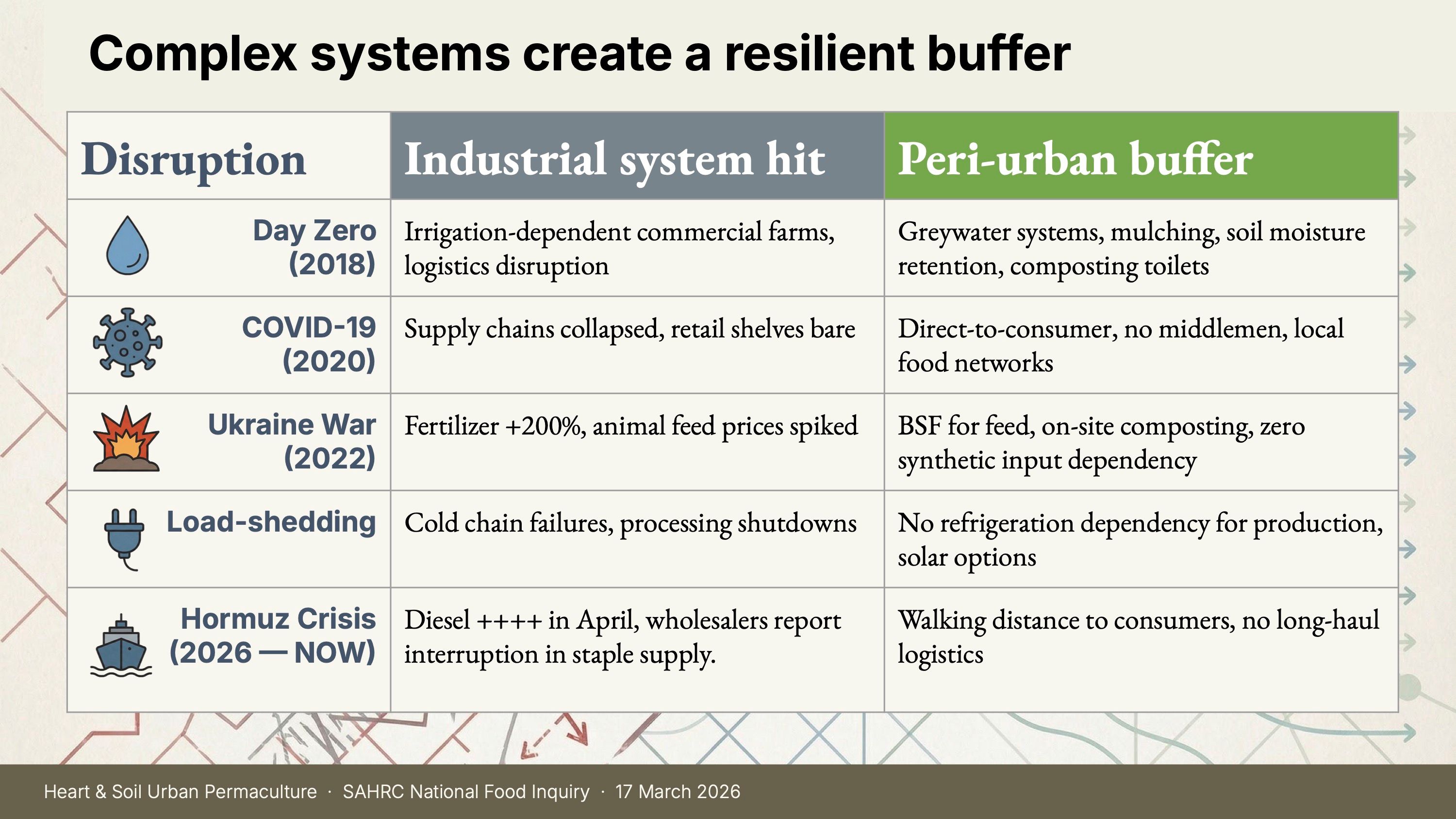
There have been at least five major 5 disruptions in the decade+ we've been farming, and I'm sure there'll be more:
Day Zero, 2018. Cape Town's water crisis hit commercial irrigation-dependent farms hard. On our farm, greywater systems, mulching and soil moisture retention, and our composting toilets all helped. We kept growing, and after the drought we kept improving our water systems, for the next drought.
COVID-19, 2020. Supply chains struggled with sudden global lockdowns. Some of the informal distribution networks that serve low-income communities were disrupted or shut down. Our food cooperative, buying direct, had a much shorter supply chain, and was simpler to adapt. Our own customers were local. At the same time, the disruption encouraged us to invest more energy growing staple crops (particularly cabbage, carrots, beetroot, potatoes and sweet potatoes, for ourselves, and teach others to do the same.)
Ukraine War, 2022. Global fertilizer prices rose by over 200% & animal feed costs spiked sharply. This was the motivation for our Black Soldier Fly operation, which allows us to process organic waste into larvae that fed our chickens. Our farm has never used inorganic fertiliser, so we were able to keep composting and feed our soil normally. We had zero synthetic input dependency. While the price spike devastated conventional farmers, including putting local chicken and egg farmers out of business, our diverse systems were ok.
Loadshedding, 2022–2024. Cold chain failures stressed and stretched businesses and processing facilities across the city. We didn't have a cold chain, and our production didn't require refrigeration.
Hormuz, 2026. Now.
The current emergency is alarming, and we don't have all the solutions. We experience all of these disruptions like everyone else. Even though our farm, with it's many threads of connected systems, is resilient, there are still plenty of fragile parts to our system as well.
But the first point of today’s email is that small, complex and diversified systems are more resilient in the context of emergencies. I don’t mean that we can control the uncontrollable, but that we can stay calm and keep moving forward.
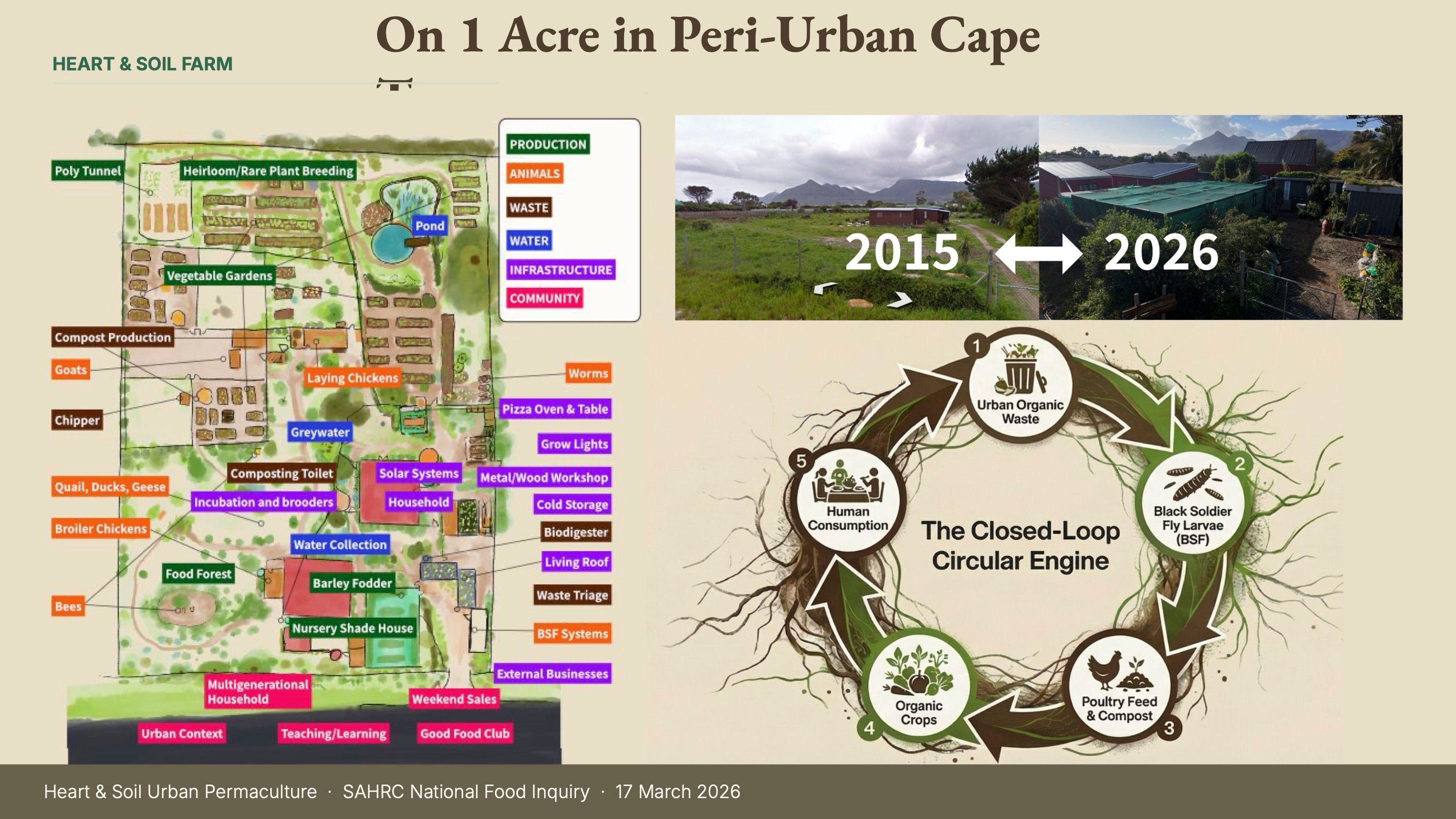
The second point is that it’s hard and stressful to create a safety net in the middle of an emergency. And even harder to think beyond one’s own household when you’re struggling yourself.
Ultimately household resilience involves slowing down, taking stock, and reflecting on what it takes to live. That is not something that happens all at once in response to one emergency. It is a valuable process whether there's an emergency or not: how to compost waste, how to have consistent access to water, energy, and food.
The planning can be slow and layered, and it's ok to start gently now, and get better every year. Whatever happens with this emergency, there will be more emergencies in the future. And there will always be people in our community who face personal emergencies.
The more we have thought through how we want to navigate tumultuous times, the more we can keep growing, no matter the circumstances around us.
If your household can be embedded in community, with dozens of systems feeding into each other, it will absorb shocks differently. Because it assumes that there will be disruptions. This is something we tried to say at the SAHRC hearings. Disruptions are not going to become less frequent. They are likely to become more common.
With this in mind, wouldn’t it be cool to collectively build resilient food systems that focus on people rather than endless economic growth?
🔗 See our full systems map
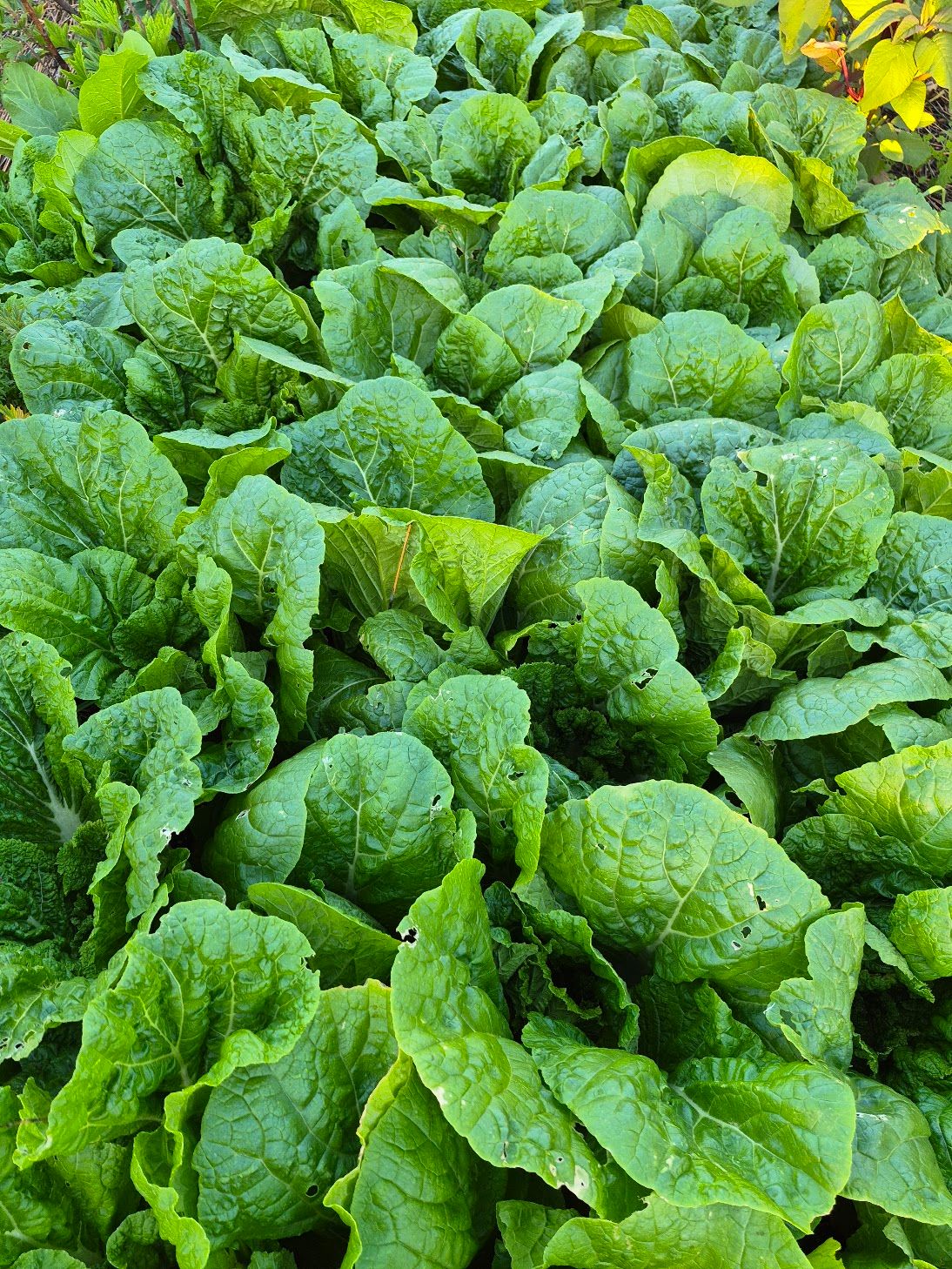
We grow more napa cabbage than other kinds of cabbage, as it grows quickly and is easy to turn into kimchi!
Growing right now
This is still a great time to get planting annual veg. I am planting out our beds as Eugene works on the irrigation, as the quality of your planting depends on the quality of soil and water. While we hope for rain, our irrigation systems are really important as rain patterns are unpredictable.
We’re planting radish, bok choi, beetroot, carrots, peas, cabbage, spring onion, leeks, swisschard, English spinach, and lettuce. And, we’re getting ready to plant out more beetroot seedlings, broccoli, cauliflower, kale, kohlrabi. Seed is really affordable, and many autumn veg can be planted directly. If you can afford an extra packet of seed or two, it’s a really good way to increase your resilience.
A few extra packets over many years compounds into a whole new skill set, born out of experience.
At the same time, we’re assessing our perennial fruit and veg: clearing around our fruit trees, cutting away dead wood, adding compost and wood chips. So that nutrients, microbial and fungal growth can kick-start growth before the weather gets too cold.
This is a time of potentially rapid, healthy growth, as pest load decreases but it’s still warm enough for photosynthesis.
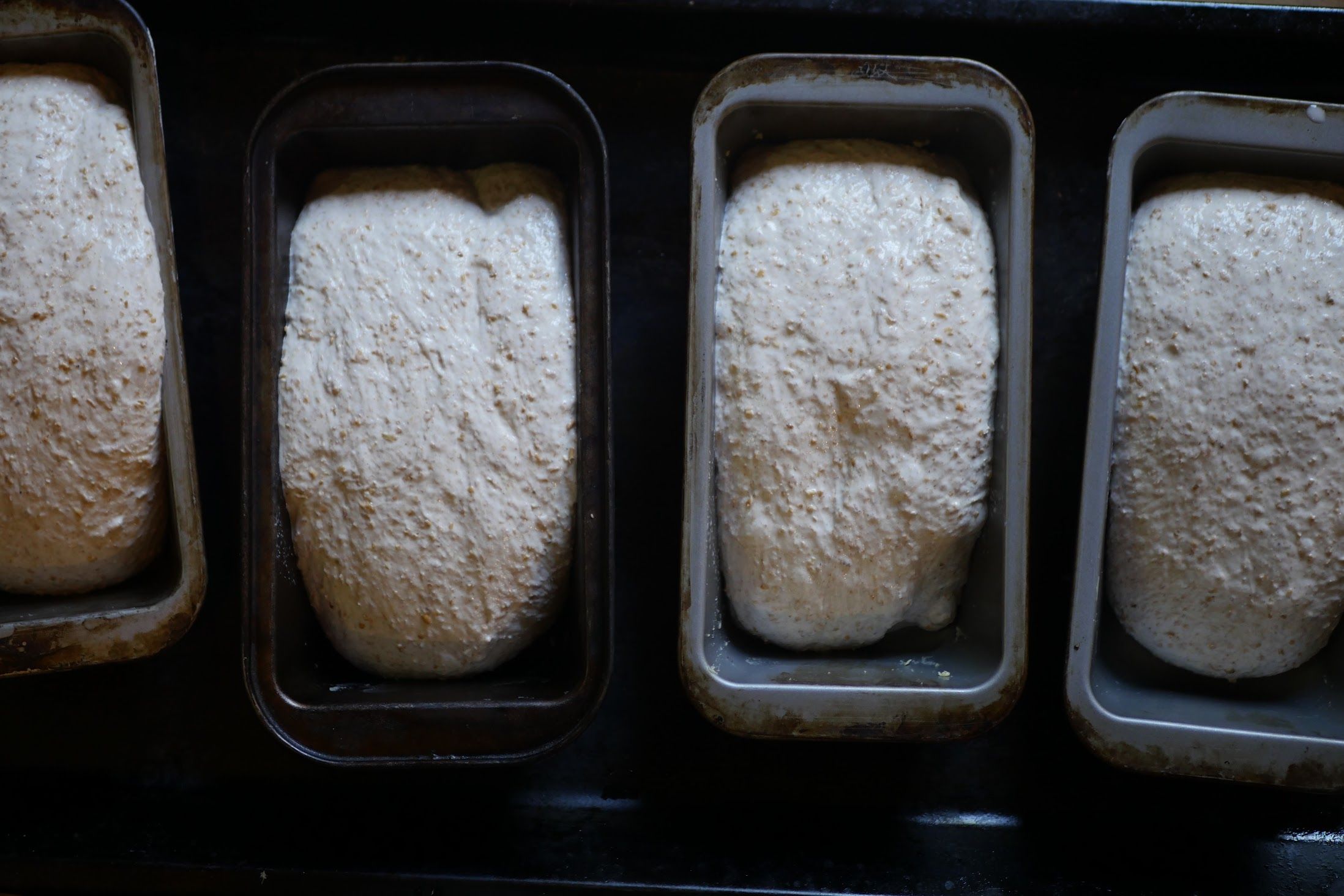
Investing in a few bread tins means you can bake as many loaves of bread at once as your oven can accommodate…
Coming up:
18-19 April Our son Eli Emerson Adams (13) will be having the first exhibition of this year’s paintings, right here at the farm. Save the date!
If you are enjoying our newsletter, please consider forwarding on to someone in your community! If you received this from a friend, you can sign up here
Reply