- Heart & Soil Newsletter
- Posts
- Growing Mondays: A growing journey without conflict
Growing Mondays: A growing journey without conflict
Gaining a new perspective

Jo Hunter Adams
December 01, 2025

Hi! I'm Jo, writing from Heart & Soil homestead, a 1-acre homestead in the Far South of Cape Town, South Africa. Every week I share inspiration and education for your growing journey. Thanks so much for reading!
Welcome to Growing Mondays, where I talk about growing- vegetables, fruits, animals and, well, people. This week I talk about two storytelling styles: the Western Hero’s journey versus the Japanese Kishōtenketsu, mirrored in other cultures in Asia.
The way we tell stories changes the way we perceive the world.
Applied to growing, instead of seeing villains and conflict in the food system and in our garden, we can go on a journey and gain a new perspective.

A pasta journey for Hana
In Kishōtenketsu, community wins over individualism.
When our kids were little, we watched Miyazaki’s Kiki’s Delivery Service and Totoro over and over. As the years have passed, these stories have become central to our family culture. Unlike Disney movies, these movies had no villain, and not a lot of conflict.
In very broad strokes: In western storytelling, a hero is called away from ordinary life into an extraordinary story (think Harry Potter or Lord of the Rings). Defeating an external villain is typically central to his growth.
In contrast, in Eastern storytelling, a protagonist has a set of experiences in which she discovers a new perspective. In Kishōtenketsu, there is no need for a monster or villain, and growth is all about seeing the mundane in new ways.
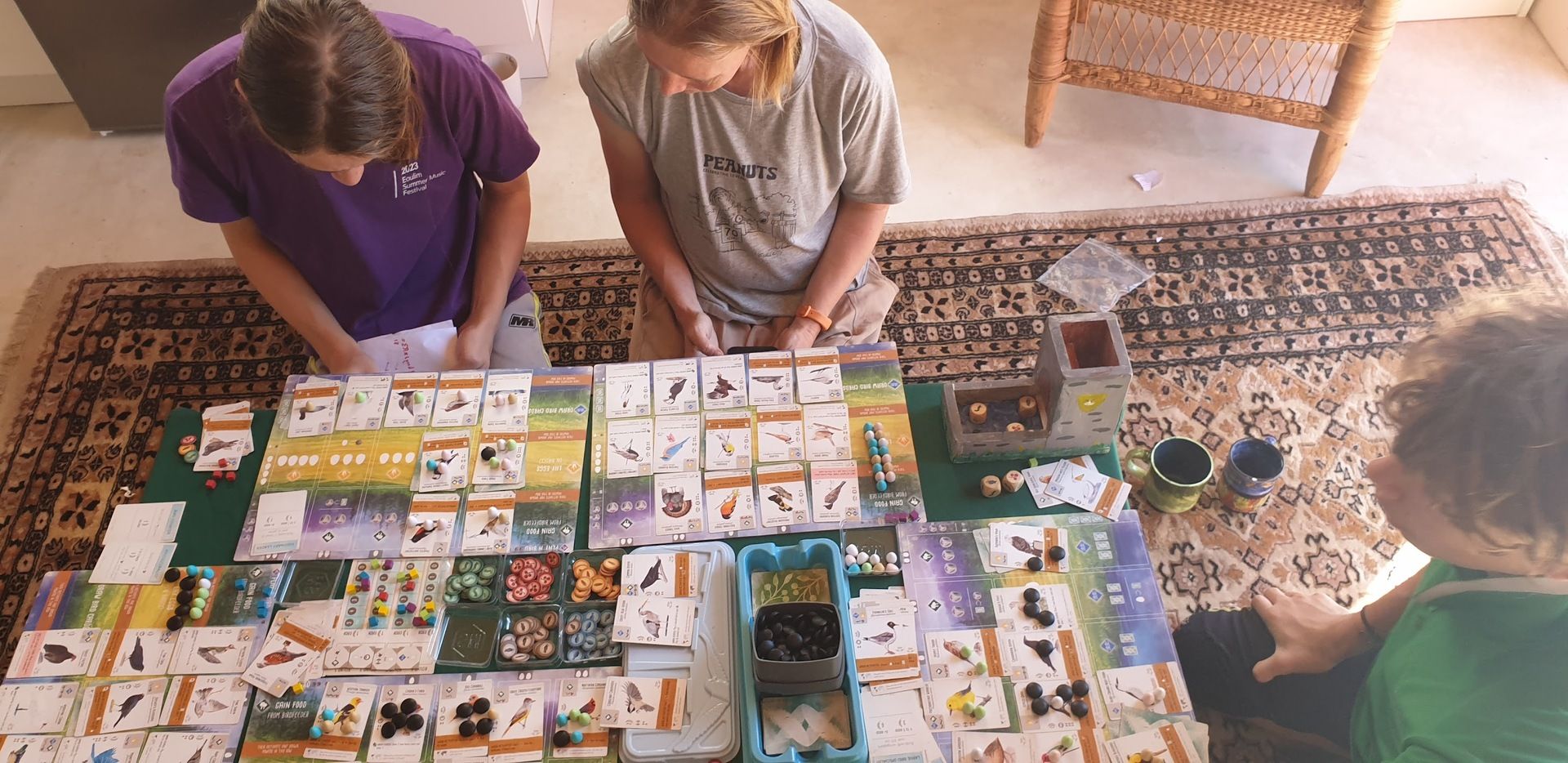
This has been the year of Wingspan- a game without monsters or villains. Just birds.
The stories we tell are absorbed into our culture. What if we choose new stories? Could these actually change our cultures as we grow together. I do not mean that one type of storytelling is better than another. Rather, I want to explore the idea that instead of external conflict being necessary for growth, we can instead observe the conflict within ourselves, and find creative and gentle approaches to growth.
In growing, and in studying the food system, a few narratives come to mind: One is the narrative in which Big Food and Big Ag are the key villains of our age. I see the extraordinary harm of the large companies controlling the food system. Yet these large companies are made up of people like you and me, making small, daily decisions that have amounted to big harm. I see the ways that I am intertwined with those decisions-- for example, every time I purchase animal feed or go to the supermarket.
I wonder if considering ways to influence these small, daily decisions, rather than defeating the monster, will lead to interesting changes? For example, steadily creating alternative norms, to show that the actions of Big Ag are neither inevitable nor best for people or planet?

Our strawberries are drying out quickly in our beds that don’t have drip irrigation, and I’m returning to my preference for drip, although it’s expensive!
The second is a story where someone learns about alternative health, permaculture, biodynamic farming, or agroecology in a kind of conversion experience, perhaps through an expensive course. In this experience, other kinds of growing or knowing become the villain to be defeated, and a learning opportunity is lost. Not because these frameworks of knowing are not valuable and important, but because we begin to inhabit a story of us/them, and our minds actively exclude the more mundane gradations of our lives. What if, instead, we can imagine the full range of growing choices, and begin to shift norms without being evangelical about our own experiences?
The third are the stories in which specific enemies are identified and become the focus of our story: a weed, a pest, an “alien invasive.” Again, these are often real and difficult challenges. Yet a story that relies to heavily on our own heroism and the reaction to an external evil may fail to see the shortcomings inside of ourselves. Yet it is our own shortcomings that are within our power to change.
What if our growing journey can be a story of learning in community, of learning to see anew? In this story, we are always learning and growing, and no-one is excluded from our journey because they have been cast in the role of villain. Growth is available to all of us.
Here’s to growth as we enter December! I’d love to hear how you’re growing.
Workshops
Some 2026 workshops are scheduled! |
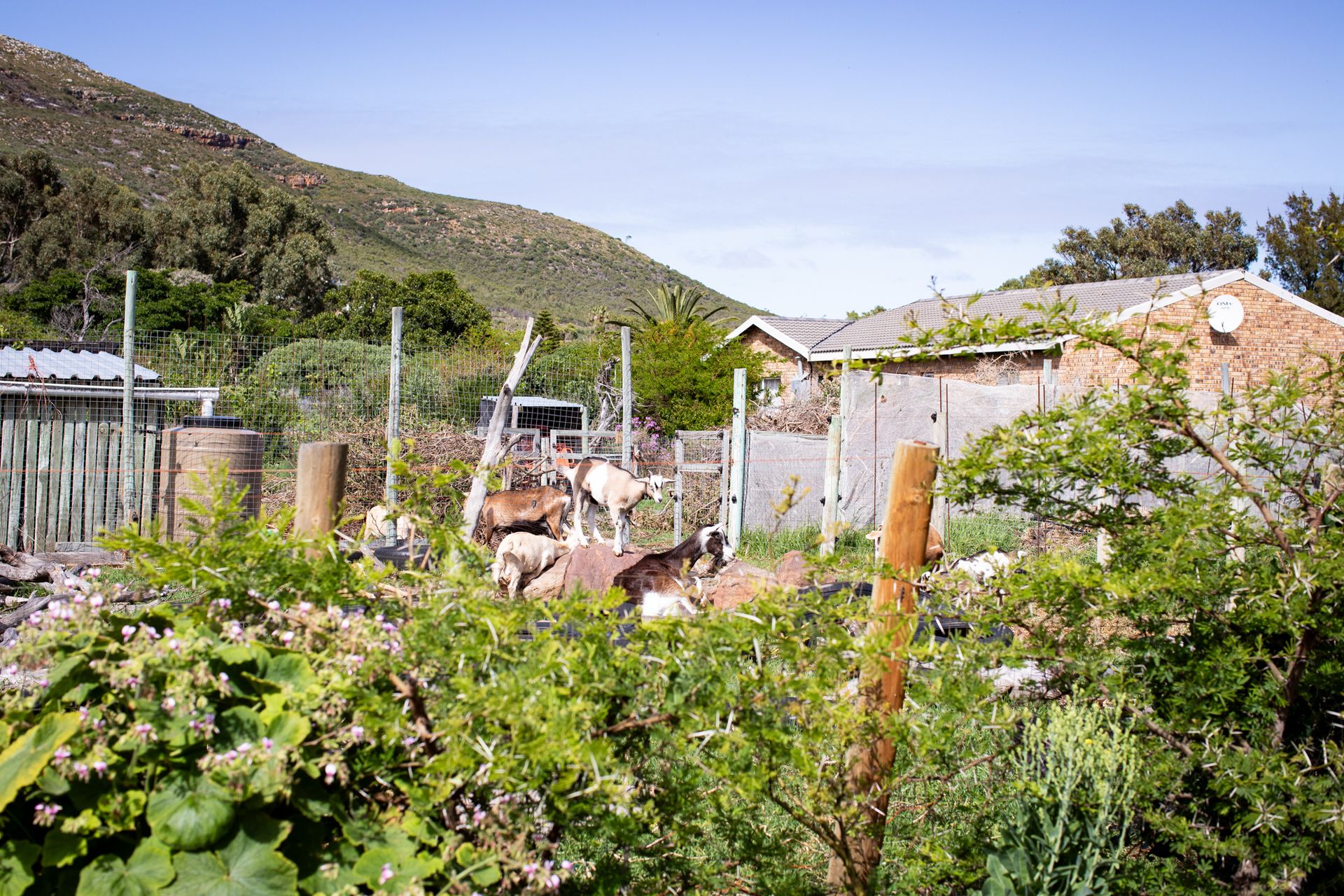
We must never presume that we see “all” or accurately. We must always be ready to see anew.
If you are enjoying our newsletter, consider forwarding on to someone in your community. If you received this from a friend, you can sign up here
Reply